
Profound, Surprising,
& Hilarious
This show is about the real estate industry and is for anyone curious about it.


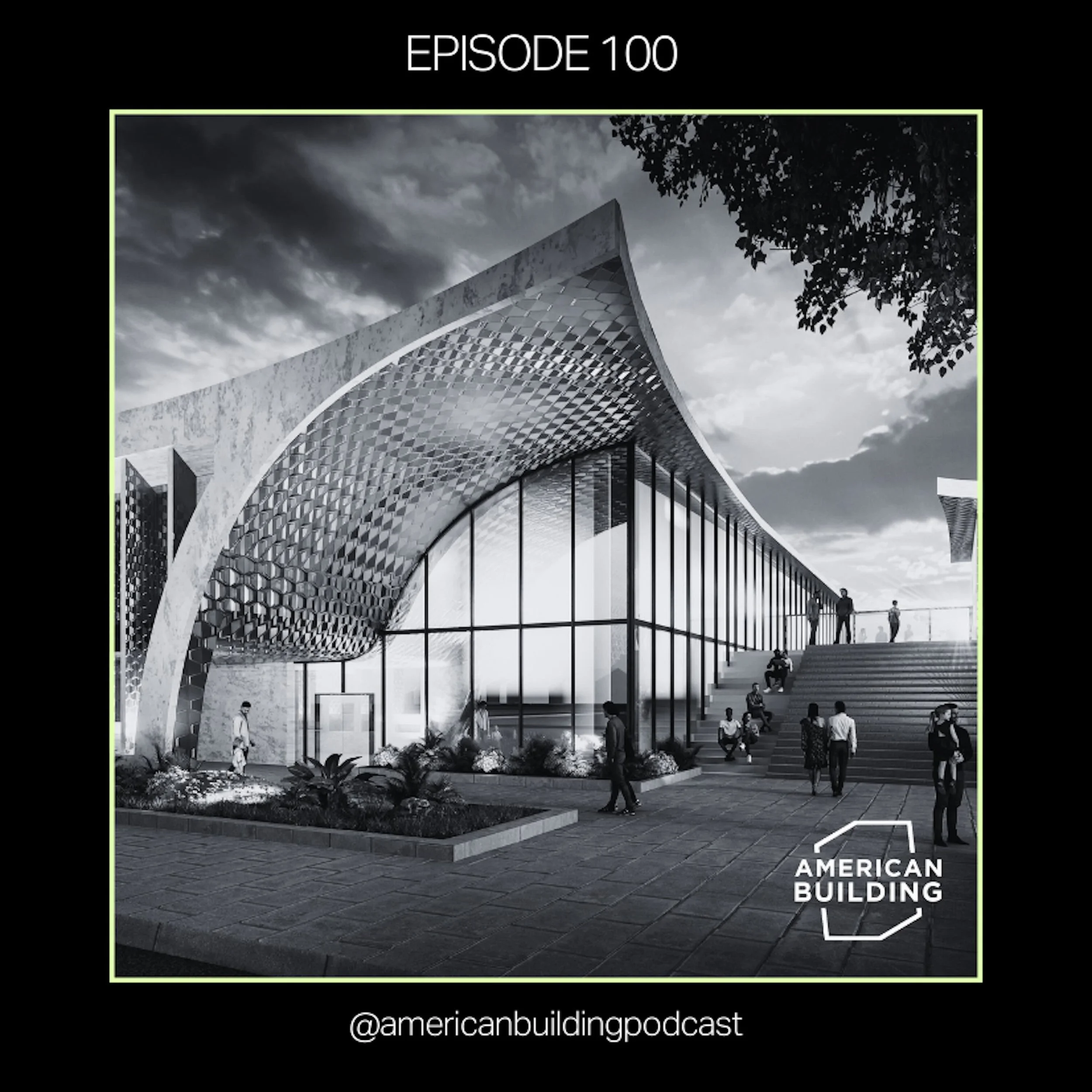
Austin Crowley, a senior design lead, and Robert Blaser, a senior leader overseeing civic engagements and client relationships at Michael Graves Architecture, mark the 100th episode by discussing Cutler Bay Legacy Park, a civic project that addresses how a Florida community can engage with its government and waterfront.
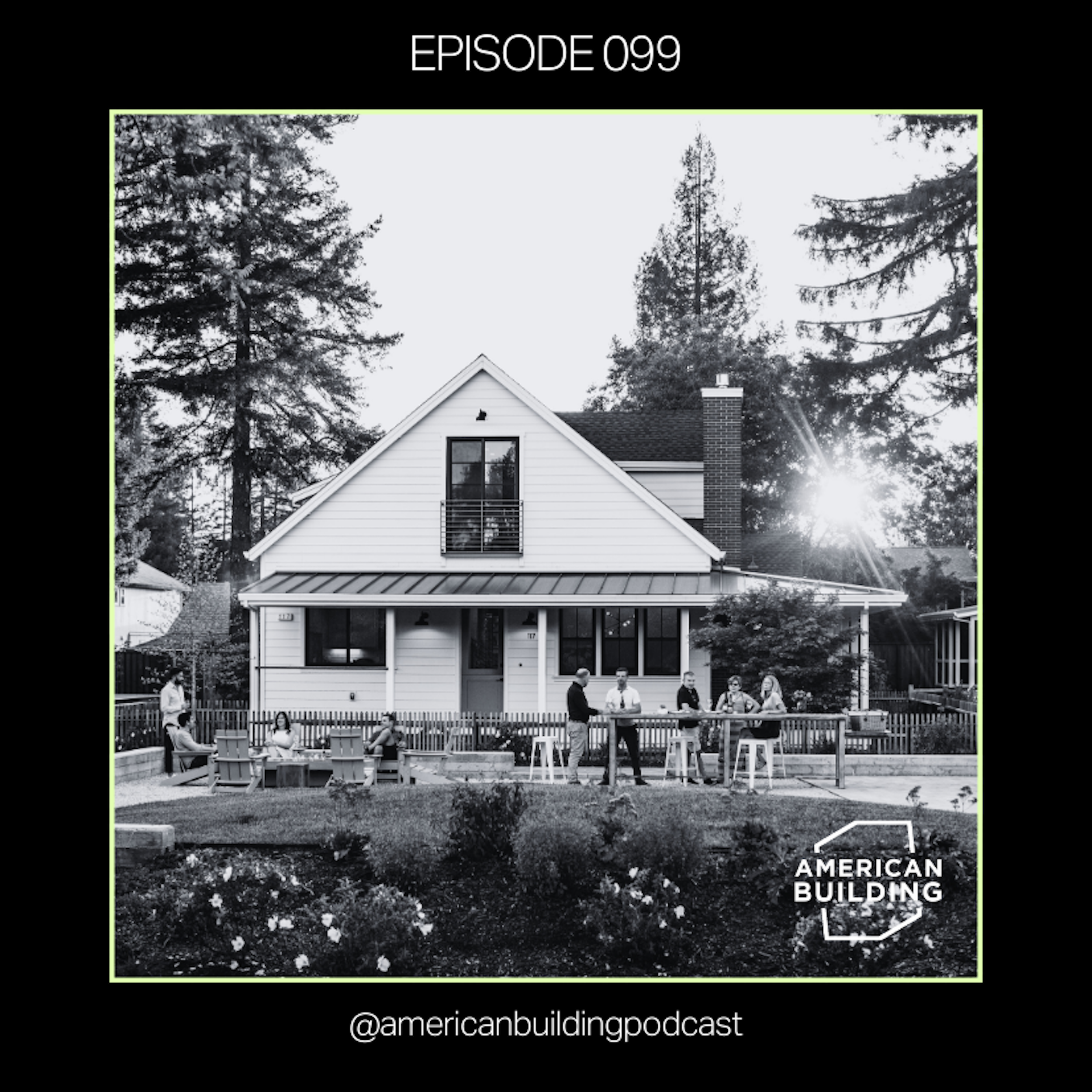
In 2011, Jim Heid launched the first Small Scale Developers Forum (SSDF) with 20 people in San Francisco. What started as an "Island of Misfit Toys,” now sells out within a week of registration and draws in 100+ participants per event. Attendees tour projects, workshop development challenges, and connect with peers facing similar obstacles in other cities.
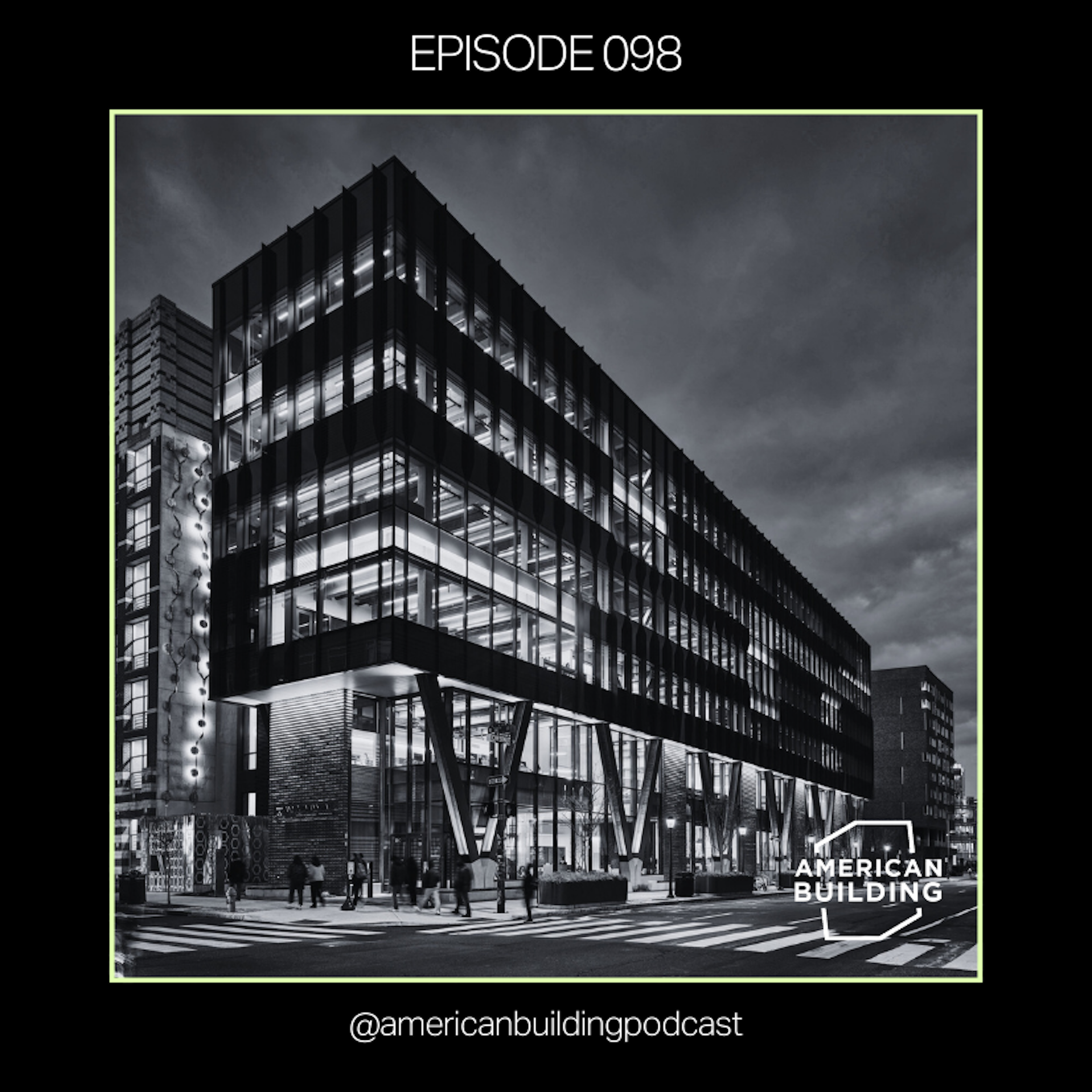
When most universities build research facilities for data science and AI, they create sleek, futuristic spaces that showcase technology. The University of Pennsylvania took the opposite approach with Amy Gutmann Hall. The six-story building uses mass timber construction to bring natural warmth and a sense of openness to technical programs. Walking through the 116,000-square-foot structure, the exposed wood columns, beams, and ceiling decks contrast with a fresh color palette rarely seen in institutional environments.
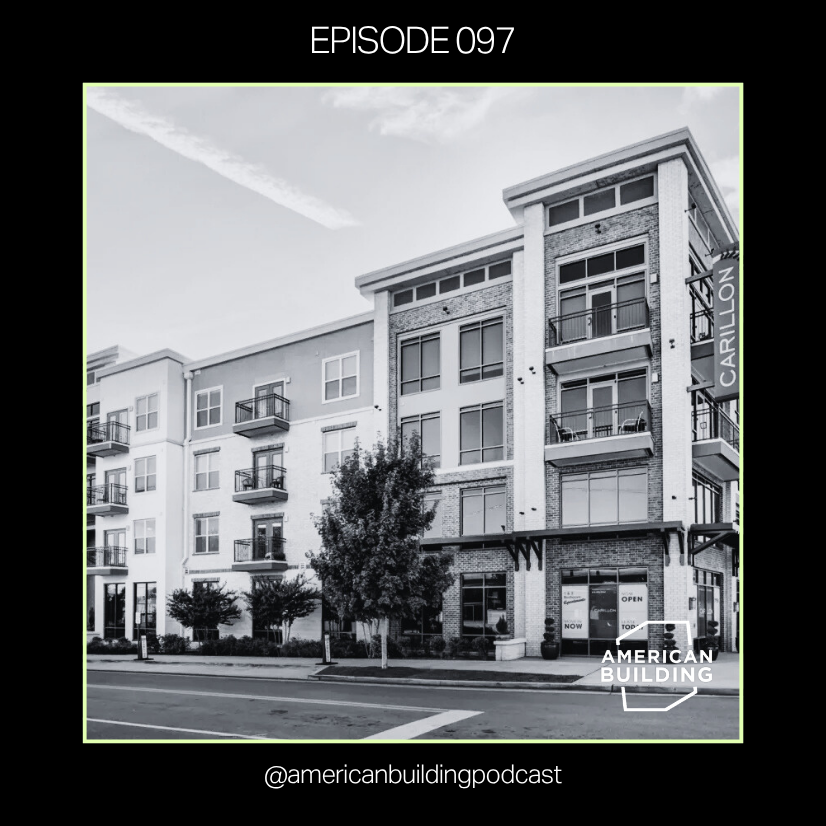
Danny Fishman co-founded GAIA Real Estate in 2009 when the financial crisis created distressed opportunities across multifamily markets. His approach centers on hands-on management rather than passive ownership. When evaluating properties, Danny and his team spend weekends on-site observing tenant behavior, testing neighborhood walkability, and understanding what drives the local rental market. This boots-on-the-ground mentality led to their biggest early win: winning the bid for a 10,000-unit Lehman Brothers portfolio in bankruptcy court.
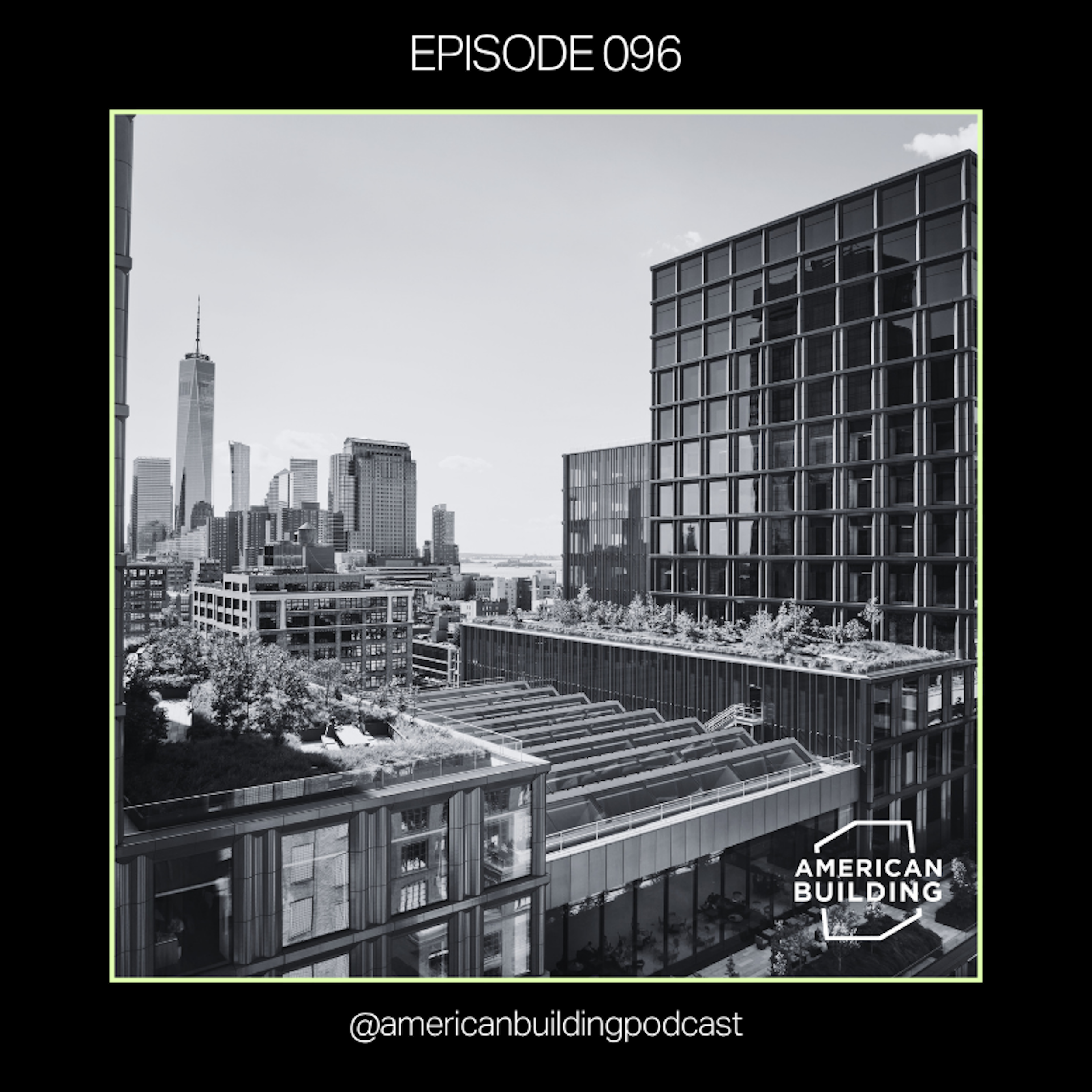
Disney's New York operations were scattered across the Upper West Side in aging facilities, including a former horse stable that housed ABC News broadcast sets. The Robert A. Iger Building at 7 Hudson Square consolidates ABC, ESPN, Marvel, and other divisions into a 1.2 million-square-foot vertical campus that's fully electric and LEED Platinum certified.

There's a piece of conventional wisdom in real estate that almost every developer accepts: retail follows rooftops. Build the housing first, then the storefronts will follow. Tesho Akindele and the team behind Camp North End did the opposite—and it’s paying off in a major way.

Green-Wood Cemetery is transforming from an active burial ground into a cultural institution. With art installations, concerts in the catacombs, and educational programming, the cemetery is preparing for a future when burial plots run out. Stephen Cassell and his team at Architecture Research Office (ARO) designed the Education & Welcome Center to support that transition.

There are over 2,000 different building codes across the United States, including 340 in Colorado alone. This fragmentation is one of the biggest barriers preventing modular housing from addressing America's affordability crisis, where 75% of people can't qualify for a mortgage. Wayne Norbeck and Jordan Rogove, co-founders of DXA Studio and Liv-Connected, are working to change that through both their design work and their efforts on Capitol Hill.

When the Lahaina wildfires devastated Maui in 2023, Hawaiʻi's governor did something unprecedented: he rejected FEMA trailers. The reason was simple一those trailers were designed to last three seasons but routinely became permanent housing for 10-plus years, bringing mold, formaldehyde, and health problems with them. Hawaiʻi wanted something better.

Most developers assume the housing crisis is about supply. Jesse Russell and Ryan Andrews of Hiatus Homes see it differently: it's about designing for households that most developers overlook. One to two-person households represent the largest and fastest-growing demographic in America, yet they're the least served by new construction. Based in Bend, Oregon, Hiatus Homes builds 500-1,200 square foot homes specifically for this market, and since 2020, they've raised $8M from 60 local investors.

The return-to-office policies have settled, but the real challenge has just begun. As companies bring employees back to their desks, the question isn't whether people will return—it's whether they'll want to stay. The office buildings succeeding in this new era aren't necessarily those with the best locations or lowest rents, but rather those who approach office spaces with a hospitality mindset. Michael Kirchmann understood this shift before most developers even recognized the opportunity.

When's the last time a ping pong game determined whether you could close a $350,000 loan? For Jonathan Dodson, it happened during his first major development project after walking away from a banking career. His moral stand against workplace harassment led him to launch Pivot Project, an Oklahoma City-based development firm specializing in historic preservation and community revitalization.

Many architecture firm owners struggle with the same challenge: How do you build a sustainable business that can thrive beyond the founder? Joe Furey solved this problem by bringing his finance and technology background to Michael Graves Architecture & Design, one of America's most iconic firms.

Stephen Ross had an uncompromising vision for a transformational park built over a highway as part of an ambitious Detroit master plan. The challenge was cost. Tina Ladd has built her career remaining determined in the face of challenges. Through her work on both the Detroit master plan and Hudson Yards, she honed her skills to turn the impossible into possible. Today, that same relentless, solutions-driven mindset defines her work at Aker, where she shows that determination applies just as much in multifamily value-add as it does in billion-dollar mixed-use developments.

In Part 2 of our conversation with Michael Shvo, we dive deep into the execution of his Transamerica Pyramid transformation. Shvo reveals his development strategy for the three-year remastering project and how he navigated San Francisco's challenging entitlements process.

Michael Shvo reveals the remarkable story behind the $650 million transformation of the Transamerica Pyramid, from discovering his childhood drawing of the building to reshaping downtown San Francisco through hospitality-driven development.

When construction costs forced Worrell Yeung to reconsider their ground-up design, they discovered that reimagining a 1980s barn generated a richer project with more character and history than their original approach.

When architect Michael Chen, principal of MKCA, got a call about designing a 600-square foot apartment, the project brief was straightforward enough: renovate a 2-bedroom summer vacation home with multifunctional furniture. However, this wasn’t East Hampton or Miami Beach. In fact, there wasn’t an address at allーthe apartment floats on a luxury residential yacht that spends 365 days a year at sea.

Four years ago, we sat down with architect and urbanist Vishaan Chakrabarti to explore his vision for the Rock & Roll Hall of Fame expansion in Cleveland—then still on the drawing board. Today, that project is under construction, reshaping Cleveland’s lakefront with a bold new cultural landmark. As cranes rise and the tower takes form, our conversation with Vishaan feels more timely than ever: it’s a front-row seat to how great design can catalyze civic life and spur economic vitality.

Four years ago, we sat down with architect and urbanist Vishaan Chakrabarti to explore his vision for the Rock & Roll Hall of Fame expansion in Cleveland—then still on the drawing board. Today, that project is under construction, reshaping Cleveland’s lakefront with a bold new cultural landmark. As cranes rise and the tower takes form, our conversation with Vishaan feels more timely than ever: it’s a front-row seat to how great design can catalyze civic life and spur economic vitality.

Jim Somoza shares how Industry City transformed abandoned waterfront warehouses into Brooklyn's largest mixed-use campus by solving the fundamental challenge of warehouse-to-mixed-use conversions: making buildings designed for trucks work for people. From Innovation Alley's pedestrian spine to fostering collaboration among 650 businesses, this conversation reveals the infrastructure and relationship strategies that drive successful adaptive reuse.

Carrie Denning Jackson, Director of Innovation and Sustainability at Jamestown, discusses how the company is embedding health and environmental programs into developments like Ponce City Market's phase two expansion in Atlanta. The conversation covers Jamestown's approach to sustainable materials, mass timber construction methods, and strategies for using corporate scale to drive down costs for healthier building products across the industry.

Nate Helbach shares how Neutral aims to bridge the gap between sustainability goals and financial viability through vertical integration. His systematic approach combines proprietary algorithms with in-house expertise across development, construction, and technology to build mass timber projects designed to reduce carbon emissions while targeting competitive investor returns.

Cecily King shares how her company Kipling Development is preserving naturally occurring affordable housing by transforming multi-family properties that serve middle-income earners. Her relationship-driven approach combines systematic deal sourcing with community-focused design to create stable housing for teachers, nurses, and young professionals while delivering sustainable returns for investors.

Ben Weinberg and Michael Weiss reveal how their companies Castle Peak Holdings and Trailborn are reimagining outdoor hospitality by transforming overlooked properties in irreplaceable locations. Their strategic approach combines data-driven market analysis with thoughtful design to create memorable guest experiences that celebrate local character while delivering strong investment returns.

To wrap up Season 3 of American Building, I’m joined by Keith Rand, Vice President at Mill Creek Residential, to discuss the main housing production issues Americans face today and different solutions to address them. We look at limitations with local and state government policy and unpack the proposed housing supply plan from the White House.

Today I’m sitting down with Matt Giammanco of AvalonBay Communities to discuss his Thanet Circle redevelopment project located in Princeton, New Jersey. Located in a suburban environment that is walkable, bikeable, and in need of rental housing, Matt shares how he and his team chose and developed this project.

In this episode, I sit down with Arthi Krishnamoorthy of Deborah Berke Partners to discuss her residential college project on the Princeton campus. The goals of this project are to enhance student well-being, integrate living environments, and foster a sense of student community and responsibility.

Today I sit down with Peter Brosens of Stolar Capital to discuss his northern New Jersey project, Chatham on Main. We also dive into some of Peter’s early projects, future projects, and key lessons for those starting out in real estate.

I’m sitting down with Andrew Regenstreich of Housing and Neighborhood Development Services to discuss his project at 523 Freeman Street in Orange, New Jersey. Andrew believes it is important to leave whatever he is working on better than how he found it and today, he shares how he lives up to this philosophy while working in affordable housing.